April 5, 2026 • Celeste Morrow • 9 min reading time • Prices verified June 4, 2026
The Gradual Tanner Ritual: How to Build a Real Glow With Jergens, Tanologist, and St. Tropez Lotions
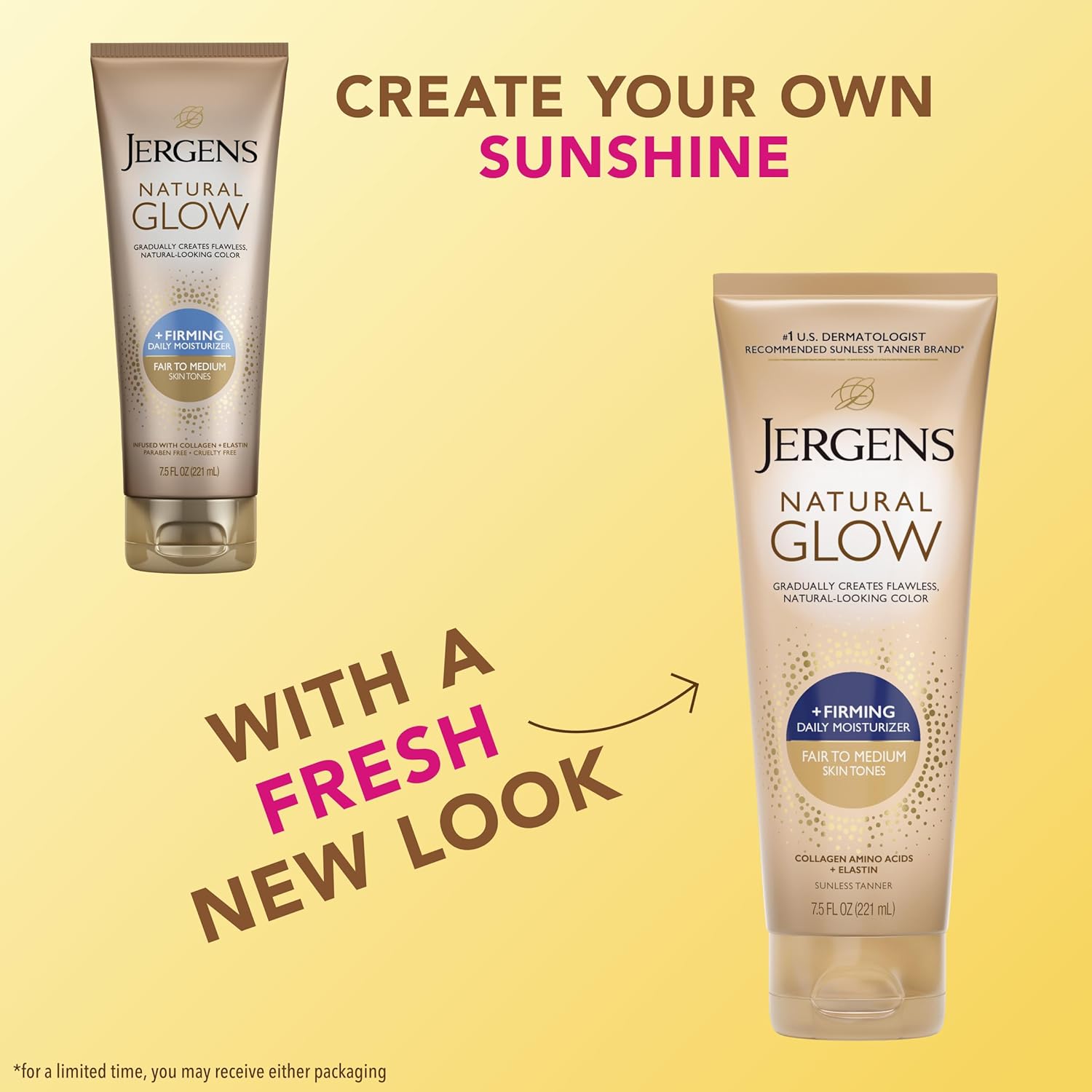
If you’ve ever picked up a bottle labeled “gradual tanner” and wondered what exactly makes it different from a regular self-tanner — you’re in the right place. A gradual self-tanner is simply a lotion or moisturizer with a low concentration of DHA (dihydroxyacetone), the active ingredient that reacts with the outermost layer of your skin to produce a brown color. Instead of going from pale to visibly bronzed in one session, you apply it like a daily moisturizer and the glow deepens a little more each day. The upside: no dramatic commitment, no high-stakes blending, far less room for streaking. The tradeoff: patience. You’re building, not transforming. This guide is for the reader who already understands that basic premise and wants to know how to do it well — which formula to start with, when to switch, and how to layer your way from a Jergens base to a St. Tropez finish without wasting product or time.
| EDITOR'S PICK[St.Tropez Gradual Tan Firming L…](https://www.amazon.com/dp/B09PCC2969?tag=greenflower20-20) | Mid-tier[Bondi Sands Everyday Gradual Ta…](https://www.amazon.com/dp/B013WW6RBS?tag=greenflower20-20) | Budget pick[L'Oreal Paris Sublime Bronze Ti…](https://www.amazon.com/dp/B000YA3HVK?tag=greenflower20-20) | |
|---|---|---|---|
| Size | 6.7 Fl Oz | 12.68 Fl Oz | 5 Fl Oz |
| Shade | Medium/Dark | — | Medium Natural Tan |
| Skincare | ✓ | ✓ | ✗ |
| Vegan | ✓ | — | — |
| Firming | ✓ | — | — |
| Aloe Vera | — | ✓ | — |
| Price | $29.00 | $19.99 | $12.99 |
| See on Amazon → | See on Amazon → | See on Amazon → |
What Separates a Good Gradual Tanner From a Mediocre One
On the surface, gradual tanners look almost identical on a shelf. Most are lotions. Most smell faintly of that familiar biscuit-like DHA scent. But the differences that actually matter to an intermediate tanner — undertone, longevity, fade pattern, and ingredient quality — vary significantly by formula and price tier.
DHA concentration and ratio is the first lever. Healthline’s overview of DHA explains that gradual tanners typically land in the 1–3% DHA range versus the 5–10%+ found in full-strength mousses. The lower the concentration, the more applications needed to reach visible depth. This is not a flaw — it’s the product category — but it means a 1% formula and a 3% formula behave meaningfully differently over a week of daily use.
Erythrulose is the secondary bronzing agent used in more sophisticated formulas. Paula’s Choice’s breakdown of self-tanner chemistry notes that erythrulose develops more slowly than DHA (over 24–48 hours) but produces a warmer, more golden undertone and tends to fade more evenly. Formulas that combine DHA with erythrulose — St. Tropez’s gradual lotion line being the most widely cited example — are consistently rated by reviewers for their more natural, less orange finish. Byrdie’s self-tanner coverage repeatedly identifies the erythrulose pairing as a key differentiator in the premium gradual segment.
The moisturizer base matters more than people admit. A gradual tanner is a moisturizer with a bronzing payload, so the skin feel, hydration depth, and ingredient panel deserve the same scrutiny you’d apply to a body lotion. Jergens Natural Glow ($10) uses a fairly standard emollient base; it works, it’s widely available, and reviewers consistently note it delivers exactly what it promises at entry level. Tanologist Touch Self-Tan Water ($15–$18) takes a different approach — an ultra-lightweight water texture that sits closer to a serum than a lotion, which reads as a meaningful upgrade for oily skin types or warm climates. St. Tropez Gradual Tan In-Shower Lotion (~$22–$28) layers in a rinse-off application method that Allure’s self-tanner guide calls one of the more intuitive formats for first-time-to-intermediate users who want a shorter develop window.
The Three-Product Ladder: Where Each Formula Fits
Think of gradual tanners in a practical tier stack. These aren’t rigid categories — they’re decision frames based on what reviewers across Byrdie, Allure, and aggregated retail commentary consistently surface.
Tier 1 — Foundation Layer (Jergens Natural Glow, ~$10) Jergens is the entry point nearly every beauty publication has cited at some point in the last decade, and it earns that status through sheer accessibility and a forgiving formula. The DHA concentration is low enough that application errors rarely produce streaks visible at arm’s length. The moisturizer base is broadly compatible with sensitive skin types. EWG Skin Deep Database records for the formula show a relatively low-concern ingredient profile.
The tradeoff: the undertone leans slightly warm-orange on very fair skin (Fitzpatrick I–II), and reviewers at Byrdie and Allure consistently note that the glow ceiling is modest — you can apply it daily for two weeks and still read as “healthy” rather than “tanned.” For the reader who wants Jergens to do more: use it as a maintenance layer between stronger applications, not as your primary builder.
Tier 2 — Build and Refine (Tanologist Touch, ~$15–$18) Tanologist’s lightweight formulas occupy the sweet spot where budget still wins but the finish quality visibly steps up. The water-serum texture means faster absorption and a lower risk of the patchy buildup that can happen when a thick lotion is applied over dry, rough skin without adequate exfoliation. Reviewers across aggregated beauty community commentary note that the formula develops with a slightly more neutral undertone than Jergens — less risk of orange on fair skin, though on deeper skin tones (Fitzpatrick IV–V) the result reads as natural rather than deep.
Tier 3 — Finish and Tone (St. Tropez Gradual Tan, ~$22–$28) St. Tropez’s gradual formats are where the DHA-plus-erythrulose pairing is most consistently praised. Allure’s self-tanner coverage and Byrdie’s product comparisons both single out St. Tropez gradual formulas for undertone accuracy and fade quality — meaning the color doesn’t stripe off in awkward patches but softens evenly as your skin turns over. The in-shower format in particular gets strong marks from reviewers who find traditional leave-on gradual tanners too time-intensive for daily use.
By the Numbers
| Formula | Approx. Price | DHA Tier | Key Differentiator | Best For |
|---|---|---|---|---|
| Jergens Natural Glow | ~$10 | Low (1–2%) | Accessible, gentle base | Entry, maintenance |
| Tanologist Touch | ~$15–$18 | Low-mid (2–3%) | Lightweight water texture | Oily skin, warm climates |
| St. Tropez Gradual Tan | ~$22–$28 | Mid (2–3% + erythrulose) | Undertone accuracy, even fade | Finish quality, fair–medium skin |
Building the Ritual: A Week-by-Week Framework
The mistake most intermediate tanners make with gradual products is treating them like a daily moisturizer with no system — same amount, same frequency, indefinitely. That approach produces a decent glow but rarely the specific result you’re aiming for. A structured build-and-maintain cycle gives you more control.
Days 1–3: Prep and Prime Exfoliate 24 hours before you start — not same-day. Exfoliating and then immediately applying a DHA-based product on raw, slightly compromised skin produces uneven uptake. A basic physical exfoliant or a low-acid body wash the day before is sufficient. On application days, apply your chosen gradual tanner to clean, dry skin. Pat dry after your shower rather than rubbing — friction right before application isn’t your friend. Apply in long, even strokes; circular motions increase the risk of buildup in creased areas.
Days 4–7: Assess and Adjust By day four, you have enough color to diagnose what the formula is actually doing on your specific skin. This is the practitioner moment: look at your inner arm in natural light. Is the undertone reading golden, neutral, or orange? Is the depth where you want it, ahead of where you want it, or still not visible enough? This is the point at which you can start layering decisions. If you want deeper color faster, Byrdie’s gradual tanner coverage frequently cites the strategy of applying a full-strength mousse on day five as a color anchor, then maintaining with gradual tanner daily afterward. If you’re happy with the depth, this is your maintenance cadence.
Ongoing: The Maintenance Window Most gradual tanners reviewed across retail commentary maintain their peak color with every-other-day application after the initial build. Daily application past your target depth tends to produce uneven fading — the newest color layers sit on top of skin that’s still shedding the earlier ones, which can create patchy texture by week two. Every-other-day application is the consensus recommendation you’ll find across Paula’s Choice’s self-tanner guidance and beauty editor coverage at Allure.
The Ingredient Questions Worth Asking at This Tier
If you’re comparison-shopping at the Tanologist-to-St. Tropez level with one eye on the upgrade path toward Tan-Luxe or Vita Liberata, the ingredient panel is worth reading rather than skimming.
Fragrance and sensitivity: All three products named in this guide contain fragrance, and fragrance is the most common irritant in body care. Reviewers with reactive skin consistently note this in Byrdie comment aggregations. If you’re layering a gradual tanner over a retinol body treatment or an AHA serum, fragrance-on-active is worth flagging.
Alcohol content: Tanologist’s water-serum format uses alcohol to achieve its lightweight texture. For most skin types this is cosmetically irrelevant. For anyone dealing with compromised barrier function or eczema-adjacent dryness, reviewers note mild tightness on very dry skin. Not a dealbreaker — a lightweight moisturizer applied 20 minutes before fixes it — but worth knowing.
What brands don’t disclose: DHA percentage is almost never disclosed on consumer self-tanner packaging. EWG’s Skin Deep database includes ingredient records for many of these formulas, but actual percentage concentrations are trade-protected. What you’re working with is comparative inference — reviewer experience, formula texture, and how quickly color builds — not hard numbers. Honest review of the category requires saying that plainly.
If X, Then Y: The Decision Rules
You’ve done the build. You’ve assessed the undertone. Now what?
If you’re happy at Jergens depth and want lower maintenance: Keep it. Use every other day after the initial build. Jergans at full cadence is an entirely defensible ritual for someone who wants “looks-like-I-was-outside” rather than “looks-like-I-just-came-back-from-somewhere.”
If the undertone is reading orange on fair skin: Switch formulas rather than trying to correct with bronzing drops. The Tanologist or St. Tropez erythrulose-containing formulas are the reviewers’ consensus answer here, per Byrdie and Allure coverage.
If you want more depth than any gradual tanner will deliver: Gradual tanners have a ceiling. Reviewers consistently put it at “medium” depth even with daily application. If you want deeper color for an event, layer a single application of a full-strength mousse on top of your existing gradual base — you get the depth without starting from scratch, and the gradual formula’s hydration layer helps the mousse apply more evenly.
If you’re ready to upgrade the formula entirely: The jump from St. Tropez Gradual Tan ($28) to Tan-Luxe The Body Illuminating Self-Tan Oil ($60) or Vita Liberata pHenomenal Mousse (~$65) is a real one — not just in price but in finish quality, ingredient transparency, and undertone sophistication. The gradual ritual logic stays the same. The product does more of the work for you.
The ritual is the constant. The formula is the variable you keep optimizing.